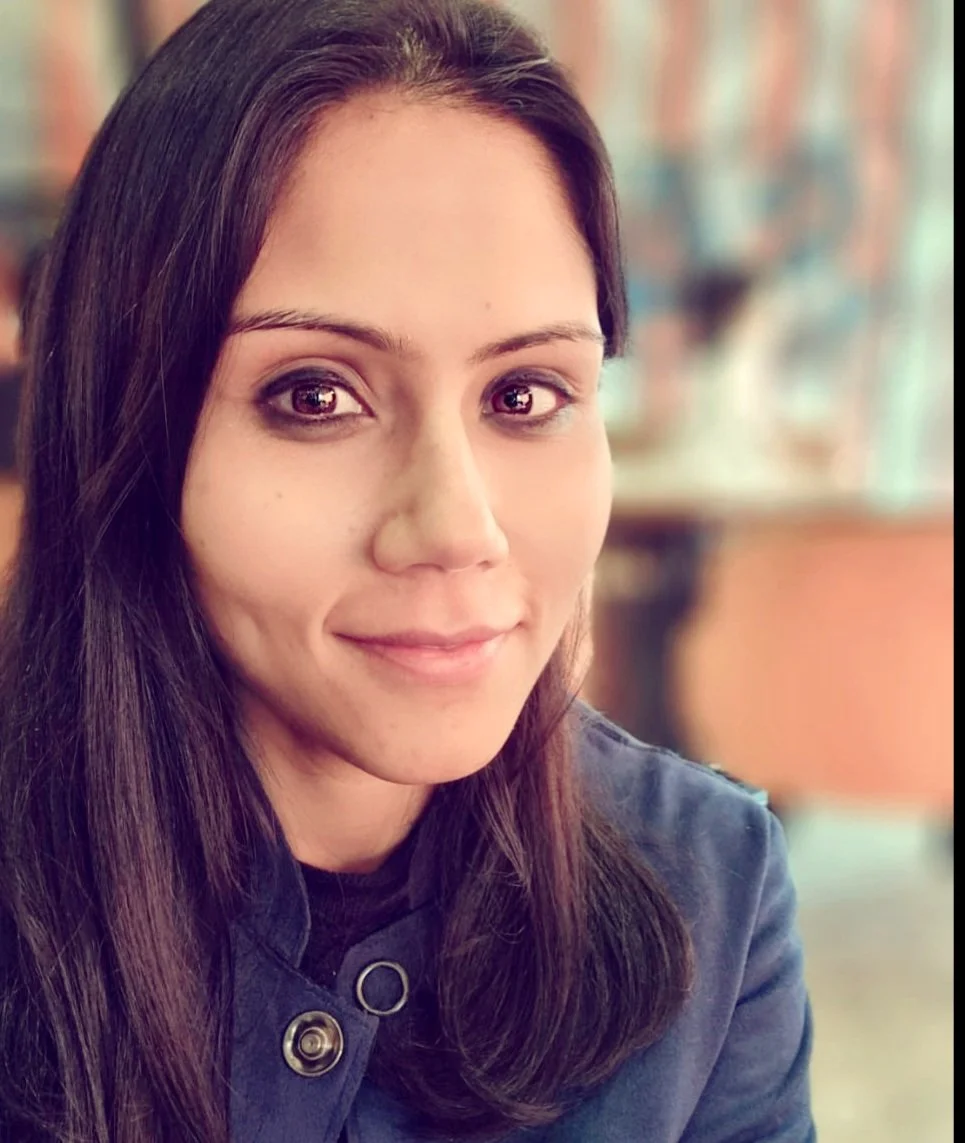
Guest Post
I enrolled in Dr Susan McLaine's Building Bibliotherapy Skills online course. It quickly became the highlight of my week. There was a sense of stillness in that time, which made it the perfect setting to explore the gentle but profound modality of bibliotherapy. What unfolded over the next twelve weeks was not just a training course, but a deeply reflective, therapeutic journey.
My interest in bibliotherapy can be traced further back. I am a psychiatrist practising in New Delhi. After almost a decade of working in academic and public health institutions, I made a transition into individual private practice. During the COVID-19 pandemic, I was working as an Assistant Professor of Psychiatry in a medical college in New Delhi, while also caring for my four-month-old son.
I stood at the intersection of multiple identities: caregiver and care-seeker, psychiatrist and patient, mother and professional. And in that moment of convergence, I rediscovered my love for books, and their therapeutic potential in alleviating mental distress and strengthening resilience.
In my pursuit to understand the healing power of literature more deeply, I connected with Dr Susan McLaine. It felt fortuitous to know that the bibliotherapy course was being offered online, and I had the opportunity to join without the logistics of intercontinental travel.
As a psychiatrist, I often approach training with a dual lens — clinical curiosity and practical applicability. From the outset, it was evident that the Building Bibliotherapy Skills course was meticulously curated. The structure was seamless, guiding participants from foundational concepts to more nuanced applications without overwhelming or oversimplifying.
The theoretical depth of the course is impressive. We explored the origins of bibliotherapy, its evolution across disciplines, and the frameworks that support its current practice. Importantly, it also acknowledged the many forms that therapeutic reading can take — from guided poetry readings and narrative reflection to the quiet companionship of a novel.
Yet what made the course truly remarkable was its accessibility. Whether one came from a background in psychology, education, the arts, or healthcare, the content felt inclusive and expansive. It welcomed everyone and made space for each voice.
One of the most compelling aspects of the course was how successfully it created a therapeutic milieu, despite being delivered online. Dr Susan McLaine has a rare ability to make each participant feel seen, heard, and held. Her warm and attentive facilitation turned the weekly sessions into spaces of gentle reflection, rich discussion, and quiet transformation.
Each session included not just theoretical input but carefully selected literary texts — poems, excerpts, and short stories — which we read and discussed together. These texts served as portals, inviting us to examine our responses, memories, and emotional landscapes. The discussions that followed were thoughtful and respectful, with Susan ensuring that the tone remained reflective rather than evaluative.
What struck me most was her attentiveness to the group’s emotional cadence. Feedback was continuously invited and integrated, and she regularly paused to check in with participants. This created an atmosphere of mutual respect, psychological safety, and trust — all essential ingredients for any therapeutic process.
Throughout the course, I found myself drawing connections between bibliotherapy and my own clinical practice. The idea of using literature as a non-intrusive, evocative tool for reflection resonated deeply with my therapeutic orientation. In psychiatry, where the clinical encounter can sometimes feel diagnostic and directive, bibliotherapy offers an alternate path — one that is dialogic, narrative-based, and client-led.
The sessions encouraged us to consider not just what literature can do, but how to work with it responsibly and ethically.
One of the highlights for me was the emphasis on the relational nature of reading. Bibliotherapy is not simply about prescribing a book. It is about engaging with the reader’s experience of the book — the memories it stirs, the metaphors it offers, the mirror it holds up.
As the weeks progressed, I found myself not only absorbing knowledge but also rediscovering the joy of reading and writing. The course became a gentle invitation to return to that part of myself which had long found solace and strength in the written word. It reminded me of literature’s power not just to inform, but to transform.
Dr Susan McLaine embodies the spirit of bibliotherapy. Her facilitation is marked by empathy, clarity, and a deep respect for story. She models the very qualities that make this modality so powerful: patience, presence, and a genuine curiosity about the inner world of another.
Since completing the course, I have begun to integrate elements of bibliotherapy into my own clinical work, both formally and informally. Whether it is suggesting a poem to a young mother experiencing burnout or using a short story as a springboard for discussion with an adolescent group, I find that literature opens doors that conventional dialogue sometimes cannot.
For me, those Monday mornings became a time of stillness, growth, and connection — with literature, with others, and with myself. And that, I believe, is the essence of bibliotherapy.
Building Bibliotherapy Skills online
This guest post describes one graduate’s experience of our twelve-week online program. If you’re interested in learning how to offer literature as an invitation to reflection, the next Building Bibliotherapy Skills online course begins on Thursday 7 January 2027, from 7–9 pm AEDT, and runs weekly for 12 weeks.
Explore Building Bibliotherapy Skills
View the module overview
Book the online course