

In conversation with Dr Susan McLaine
Reflective reading, bibliotherapy, and the meeting between reader and story
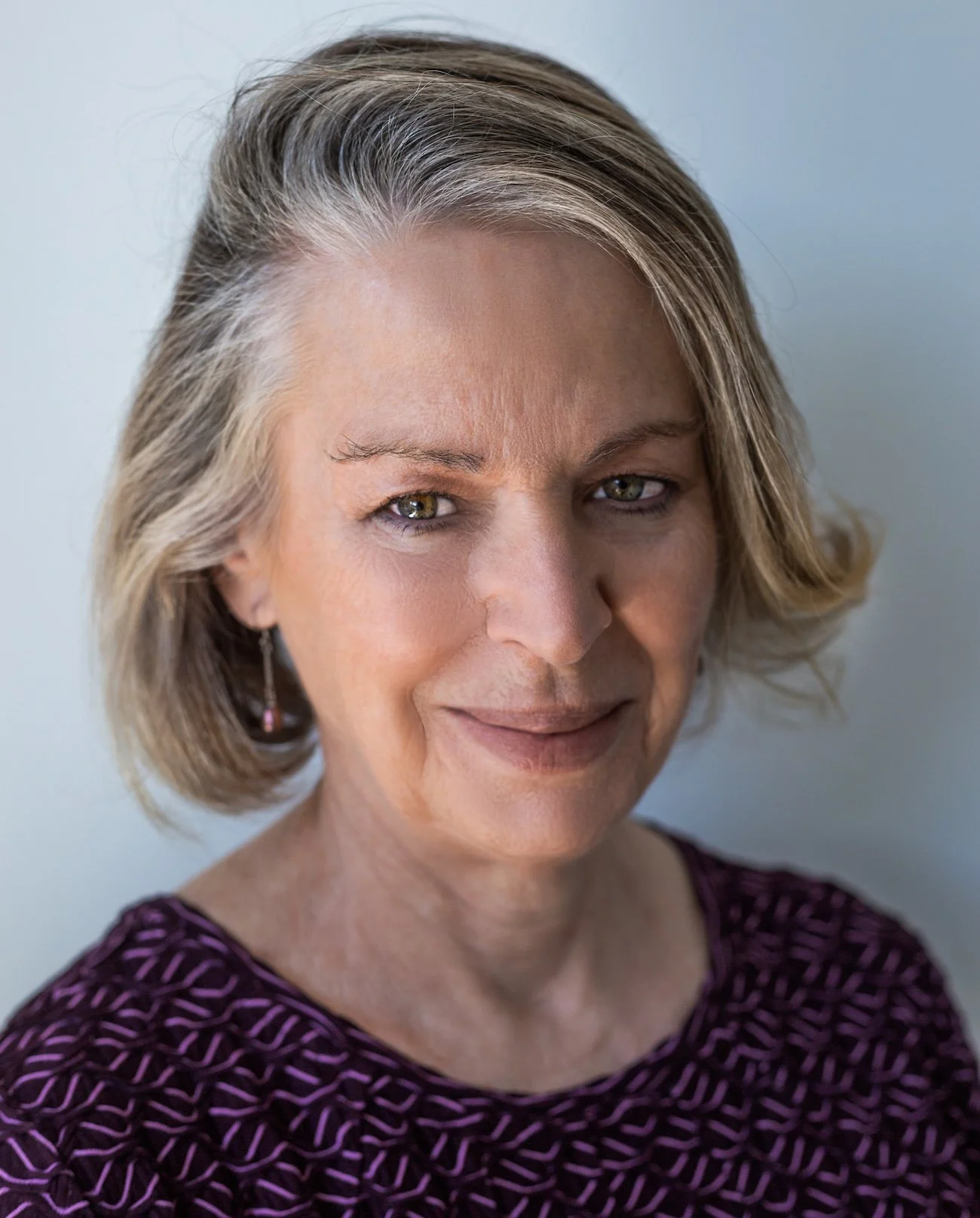
Dr Susan McLaine is the founder of Bibliotherapy Australia and the creator of Heart-Centred Bibliotherapy, a presence-led, invitational approach to reflective reading and wellbeing through story that grows from and evolves established bibliotherapy traditions.
Through reading retreats, guided reflective reading experiences, mentoring and professional training, Susan works with readers, librarians, educators, health and wellbeing practitioners and community practitioners to explore the meeting between reader and story.
Her doctoral research reframed bibliotherapy away from prescription and toward presence, focusing on how stories are offered, and how reflective reading experiences are held.
What is bibliotherapy?
Bibliotherapy is a reflective reading practice that explores the meeting between reader and story. Often associated with using books to support wellbeing and reflection, bibliotherapy invites readers to pause, reflect and encounter stories in their own way.
While that is one way the field has developed, my own work begins somewhere slightly differently.
Rather than matching a problem to a book, I focus on the meeting between reader and story, and the reflective space created around that experience.
A story may be read aloud, listened to, or met quietly on the page.
There is no pressure to respond.
No need to explain.
Something may simply be noticed in the words, and in the space around them.
At the heart of this work is the meeting between reader and story, and how that meeting is held.
What do you actually do?
I work with stories, but not in the way people might expect.
I create spaces where stories can be met rather than explained.
That might be through reading retreats, guided reflective reading experiences, mentoring or professional training for people working in libraries, education and community settings.
Sometimes it’s as simple as reading a short piece aloud and allowing a little quiet afterward.
What matters is not only the reading itself, but how the reading is held.
Many of the stories created through this work move across forms — read quietly on the page, listened to aloud, encountered in reflective spaces or returned to over time.
The stories are also chosen carefully.
I’m drawn to stories that create space rather than close it down. Stories that invite reflection rather than instruct it. Sometimes it’s a poem, a paragraph, or a quiet moment in a novel where something can be met openly, without pressure to arrive at a particular meaning.
The space around a story changes the experience of meeting it.
How is your approach different from recommending books for specific issues?
Some approaches to bibliotherapy focus on recommending books for grief, anxiety or other experiences.
This approach is different.
The meaning doesn’t come from the book alone, but from the meeting between the reader and the story.
Rather than directing someone toward a particular interpretation or outcome, the story is offered openly, so each person can meet it in their own way.
The shift is often not in the story itself, but in how something is seen.
How did you come to this work?
I came to this work through a deep love of reading, but also through a question.
I noticed that the most meaningful moments in reading were not necessarily when I understood something intellectually, but when something shifted quietly in how I saw the world, or myself.
That led me into doctoral research exploring bibliotherapy from the facilitator’s perspective.
The work grew from established bibliotherapy traditions while evolving toward a more presence-led, invitational approach to reflective reading.
What I found was that much of the field focused on prescribing books for specific problems. But that wasn’t what I had experienced as a reader.
So I began focusing on the moment itself: the meeting between reader and story.
Over time, that became what I now call Heart-Centred Bibliotherapy, an evolving, presence-led, invitational approach to reflective reading where stories are thoughtfully selected and offered to be met in each person’s own way, without pressure to respond or interpret.
Why do you think this work matters right now?
I think many people are longing for a different way of reading.
We live in a culture that encourages speed, productivity and constant interpretation. Even reading can become something to complete quickly or analyse immediately.
This work invites a different kind of attention.
A slower, more reflective meeting with story.
Not reading to extract meaning as quickly as possible, but allowing something to unfold in its own time.
And I think many people are quietly missing that.
What happens when someone meets a story in this way?
Often, something slows down.
There is less pressure to interpret or explain, and more space simply to notice.
Sometimes a particular line stays with someone.
Sometimes a room becomes completely still.
Sometimes nothing is said at all, but something has clearly been felt or recognised.
And often, what matters most is not what happens in the moment itself, but what returns later.
Is this a form of therapy?
This approach is not therapy, and it doesn’t replace therapy.
It sits alongside wellbeing, but it is not a clinical practice.
The focus is on the reading experience itself, and on creating a reflective, invitational space where people can meet a story without pressure to disclose or analyse personal experiences.
Clear boundaries are very important in this work.
What have you learned through this practice?
One of the most important things I’ve learned is that nothing needs to be pushed.
We often feel we need to guide people toward meaning, or help them arrive somewhere.
But when a story is offered with care, and there is space around it, people find their own way.
I’ve also learned that silence is not empty.
When a room goes quiet after a reading, it doesn’t necessarily mean nothing is happening.
Often it means something is.
How can people experience this work?
People tend to come to this work in different ways.
Some begin through a reading retreat or guided reflective reading experience.
Some come through The Reading Way, where they explore reflective reading in their own time.
Others come because they want to learn how to offer this work to others through libraries, education or community settings.
But wherever someone begins, it always returns to the same thing:
the meeting between reader and story.
What advice would you give someone wanting to begin?
Start very simply.
Choose a short piece of writing that has a little space in it.
A poem, or a short passage.
Read it aloud, or offer it quietly, and then pause.
You don’t need to explain it or ask many questions.
You might simply invite people to notice if anything stayed with them.
This work is not about getting it right.
It’s about how you are when you offer the story.
What do you hope people rediscover through reading more reflectively?
I think many of us have learned to read quickly, for information, productivity or completion.
This work invites a different pace.
A slower kind of attention.
Noticing rather than rushing.
And perhaps rediscovering that stories do not always need to teach us something or solve something.
Sometimes they simply allow us to see differently.
What might be noticed, if we allowed a little more space around the stories we meet?